Introduction:
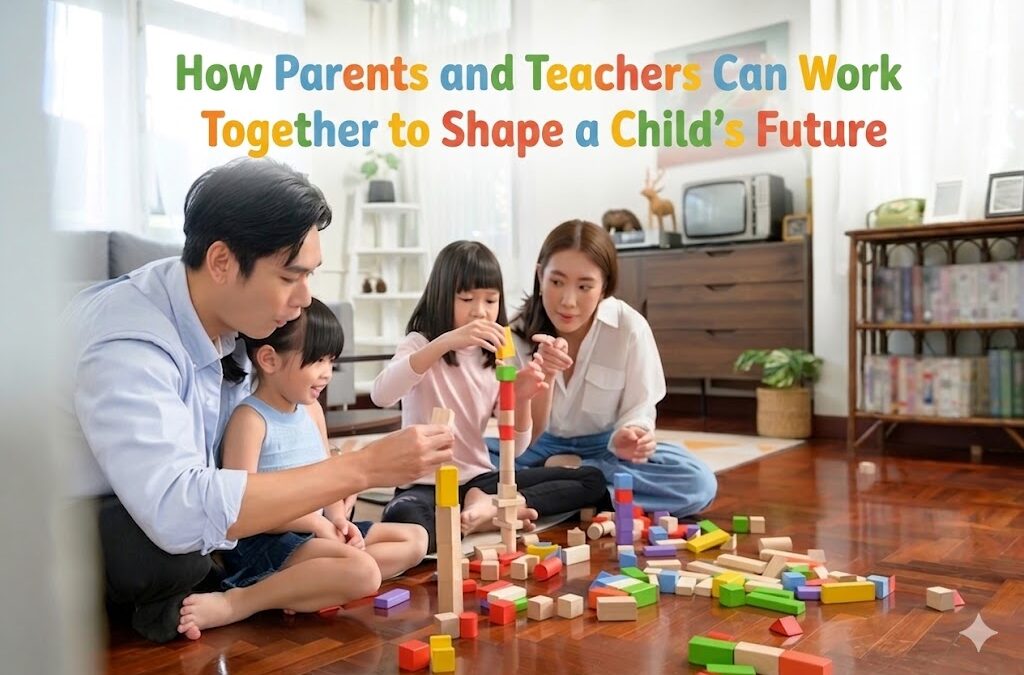
Success for children is based on adults who support them. The way that parent teacher collaboration helps to change the educational experience for all children. Children feel safe, motivated, and strong when their parents and their teacher work together to achieve a common goals. Children who have their school and family working together have access to their true selves.
More Than Just Teaching — The Role of Parents and Teachers in a Child’s Education:
How Can Parents Support Learning at Home:
The first teachers for children are often their parents. Routines, encouraging and rewarding curiosity builds a child’s confidence. Parents’ involvement in schoolwork allows for children’s development of responsibility. This reinforces the parent teacher involvement, as learning occurs both within the classroom, and support at home increases academic performance directly.
How Teachers Guide Growth in the Classroom:
Teachers will recognize a child’s strengths, weaknesses and develop a structured learning activities. Teachers will observe their behaviours and assist them based on their own needs. Through developing a critical thinking skills, teaching how to be disciplined and by encouraging creativity a committed teacher will influence a academic development as well as the development of the character, well beyond any text book.
When Parents and Teachers Unite Every Child Wins:
Open Communication Is the Key:
Regular communication is vital to working together. Connecting frequently with updates and honest discussions help parents and teachers coordinate. When parents and teachers work together through both classroom observations and parental observations, it provides each party with a more fully rounded understanding of the child. This then allows for them to resolve any problems more quickly, support the child in overcoming issues when learning, and contribute to the overall development of a child.
Parent and Teacher Collaboration for Better Student Outcomes:
True teamwork is what helps a child flourish — inside the classroom and beyond. One such area should be characterized by parent involvement in early childhood education, since family support during early development impacts their lifelong success. Parental involvement helps develop their child’s education through helping their child to set reasonable targets, tracking their child’s progress towards these targets and helping their child build a balanced & healthy atmosphere for themselves.
Parent Involvement in Early Childhood Education:
Role of Parents in Early Childhood Development:
Parents are very important in helping their young children grow during the period of 3 to 8 years old. Child development support – They will learn habits, values, and how to learn at a rapid pace during this time. The proper amount of support, consistency, routine, and involvement from parents will provide each child with a good foundation for the long-term development of their school academic performance and emotional health.
Simple Daily Habits That Shape a Child’s Growth:
Little habits form permanent experiences than grand acts. When a child is asked to express their new knowledge, hold off on using screens during the night, attend school activities, and give teachers feedback, creates a positive mindset about learning and show children that adults value these behaviors, trust and encourage children, and are dedicated to supporting children as they achieve their goals, are examples of how important a role of teachers in early childhood education.
Conclusion:
Collaboration, trust, and open communication between parents and teachers help create a child’s future. Together, through the efforts of both parties working together with a common goal in mind an education will not only consist of learning in a classroom but also foster individuals who have developed confidence, curiosity, and capability thereby provide for not only academic success but also social and emotional growth and lifelong development.
At Learn N Grow STEM Preschool, building a warm and trusting bond between parents and teachers comes naturally — because everything they do is rooted in creating a safe, supportive, and collaborative space for every child. Through the use of play-based and structured learning, children gain self-confidence, develop curiosity, and build a solid foundation for a successful future.
Frequently Asked Questions
1. Why is parent teacher collaboration essential for a child’s success?
This partnership creates a consistent support system, making children feel more secure, motivated, and confident while bridging the gap between home and school.
2. What is the role of parents in education for young learners?
Parents act as essential mentors who build foundational habits, reinforce school lessons, and encourage a natural curiosity that drives lifelong academic and personal growth.
3. Why is the importance of parent teacher communication so high?
Regular and honest communication helps identify a child’s unique needs early, allowing both adults to provide personalized guidance for better social and academic outcomes.
4. How does parent involvement in early childhood education impact growth?
Active participation during early years builds a rock-solid foundation, improving a child’s social skills, emotional health, and their overall long-term success in future learning.